Introduction
Published on April 5th, 2017
Media Coverage
Joseph Ford Cotto
April 4, 2017
San Francisco Review of Books

This is the final article of my discussion with Jo Wideman. The first, second, third, fourth, fifth, and sixth pieces are available.
Exploring the Working Class
The working class has long been a crucial part of the American society, contributing to its growth and prosperity. In the political realm, there has always been a desire to establish a party that truly represents the interests of the working class. However, the current state of affairs suggests that the Democratic Party, often referred to as the "Party of the American Working Class," has deviated from this vision.
The Evolution of the Democratic Party
Historically, the Democratic Party has been associated with policies and initiatives that aimed to uplift the working class. From labor rights to healthcare reforms, the party claimed to prioritize the concerns of ordinary working Americans. However, in recent times, this perception has shifted.
Disconnect with the Working Class
One of the main reasons for the Democratic Party's disconnect with the working class is its growing emphasis on identity politics. While acknowledging the importance of recognizing diverse voices, the party seems to have overlooked the economic struggles faced by many working-class individuals.
Economic Policies
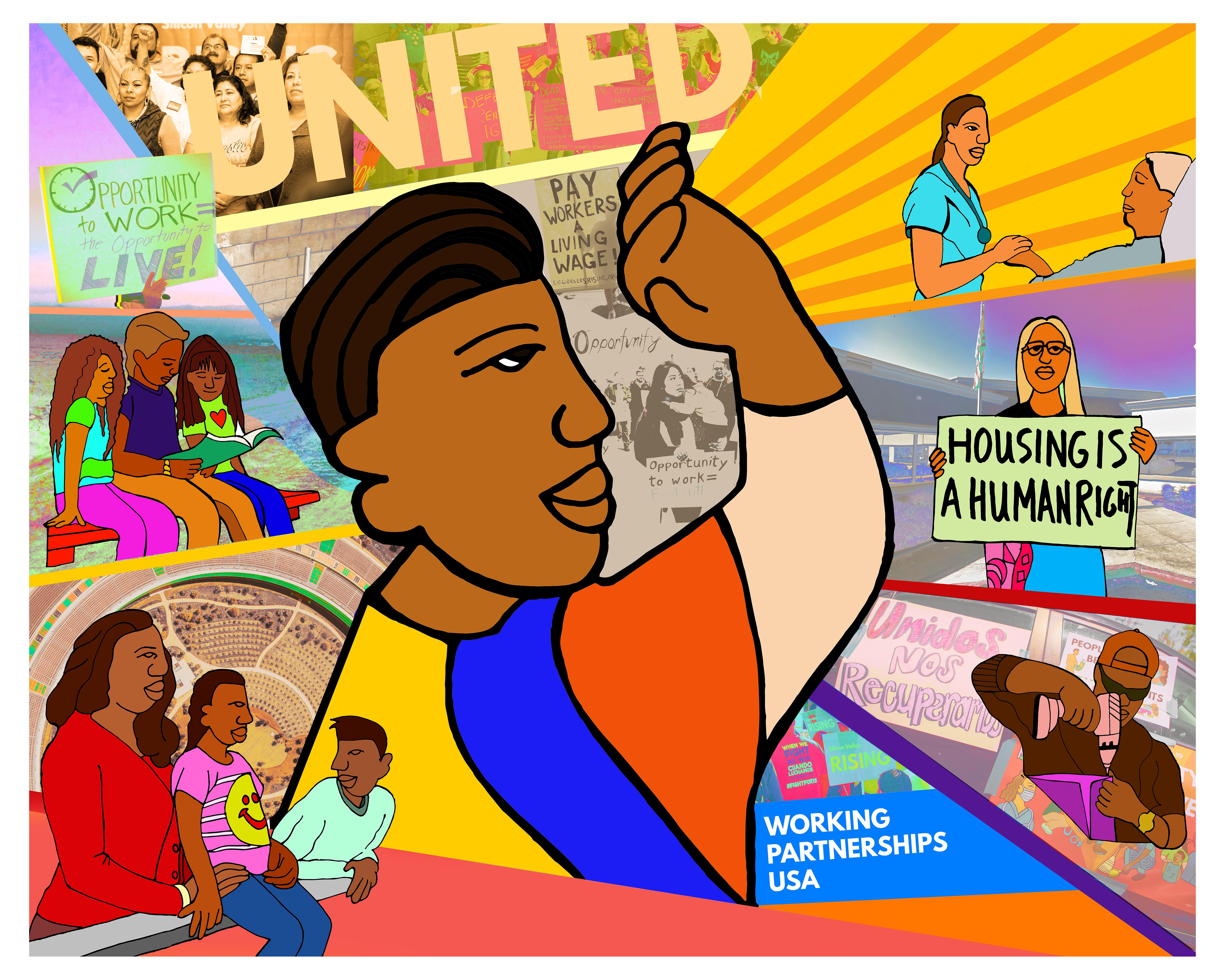
The Democratic Party's economic policies have increasingly favored corporate interests and affluent elites over the working class. The party's embrace of globalization and free-trade agreements has resulted in job losses and wage stagnation for many blue-collar workers.
Working Class Concerns Ignored
Another issue is the perception that the Democratic Party no longer listens to the concerns of the working class. As the party becomes more entrenched in its own ideological echo chamber, it fails to address the pressing issues faced by working-class Americans, such as affordable housing, healthcare access, and job security.
Redefining the Party
If the Democratic Party aims to regain its position as the true representative of the American working class, it must take concrete actions to reconnect with this demographic. This involves reevaluating its economic policies, shifting the focus back to job creation, wage growth, and social protections for workers.
Reviving Working-Class Politics
A return to the roots of working-class politics will require the Democratic Party to actively engage with working-class communities, listen to their concerns, and develop policies that address their needs. By doing so, the party can rebuild trust and strengthen its appeal among the working class.
Conclusion
The Democratic Party, historically known as the "Party of the American Working Class," has strayed from its original mission. To truly represent working-class Americans, the party must prioritize their economic concerns and work towards creating a fair and equitable society. Only then can it regain its position as a party that champions the rights and interests of the working class.
Hotels and the Working Class
As the political landscape evolves, it is important to recognize the impact it has on various sectors, including the hotel industry. The working class forms a significant portion of the hotel workforce, with many individuals relying on these jobs to support themselves and their families. The policies and attitudes of political parties towards the working class can have direct implications for the livelihoods of hotel workers. Therefore, it is crucial for the political movements to consider the needs and aspirations of the working class when formulating their strategies and policies.
San Francisco
- Hyatt Centric Fisherman'S Wharf San Francisco
- Hotel Zoe Fisherman'S Wharf
- The Clancy San Francisco
- Yotel San Francisco
- Galleria Park Hotel San Francisco
- Four Seasons Embarcadero
- Hyatt Regency Soma
- San Francisco Marriott Fisherman'S Wharf
- King George Hotel San Francisco
- Kensington Park Hotel
- Luma Hotel San Francisco
- Found Hotel San Francisco
- Beck'S Motor Lodge
- Jay Hotel San Francisco
- Hotel Spero
- Marriott Vacation Club San Francisco
- Axiom Hotel San Francisco
- Soma House
- Hotel Caza
- Laurel Inn San Francisco
- Grand Hyatt San Francisco
- Hotel Kabuki
- Palihotel San Francisco
- Hotel Zeppelin San Francisco
- Canopy By Hilton San Francisco Soma
- San Francisco Marriott Union Square
- Infinity Hotel San Francisco
- Hotel Zephyr
- Ritz Carlton San Francisco
- Hotel Majestic San Francisco
- Stanyan Park Hotel
- Hyatt Regency San Francisco
- Citizenm San Francisco
- Worldmark San Francisco
- Harbor Court Hotel San Francisco
- Executive Hotel Vintage Court
- Hyatt Place San Francisco / Downtown
- Courtyard San Francisco Union Square
- Bei Hotel San Francisco
- Hotel Garrett
- Phoenix Hotel Sf
- Marriott Marquis San Francisco
- W San Francisco
- Cow Hollow Inn
- Marina Motel San Francisco
- Castle Inn San Francisco
- The Mosser Hotel
- Petite Auberge San Francisco
- Kasa La Monarca San Francisco
- Bay Bridge Inn San Francisco
- Best Part Of San Francisco To Stay