
History is replete with enigmatic figures whose pasts are scrutinized for clues to understand the motivations behind their actions. Among these figures, Adolf Hitler stands out not only for his notorious role in history but also for his less-known personal interests that may have played a part in shaping the man he became.
The Humanization of History's Villain
Attempts to humanize historical villains are often met with controversy. However, it's impossible to fully understand historical events without examining the personal facets of those involved. The revelation that the young Hitler had a passion for literature, particularly the work of a specific Saxony-born novelist, is not just a curiosity but a sobering reminder of the complexities of human nature.
A Youngster's Escapism Through Literature
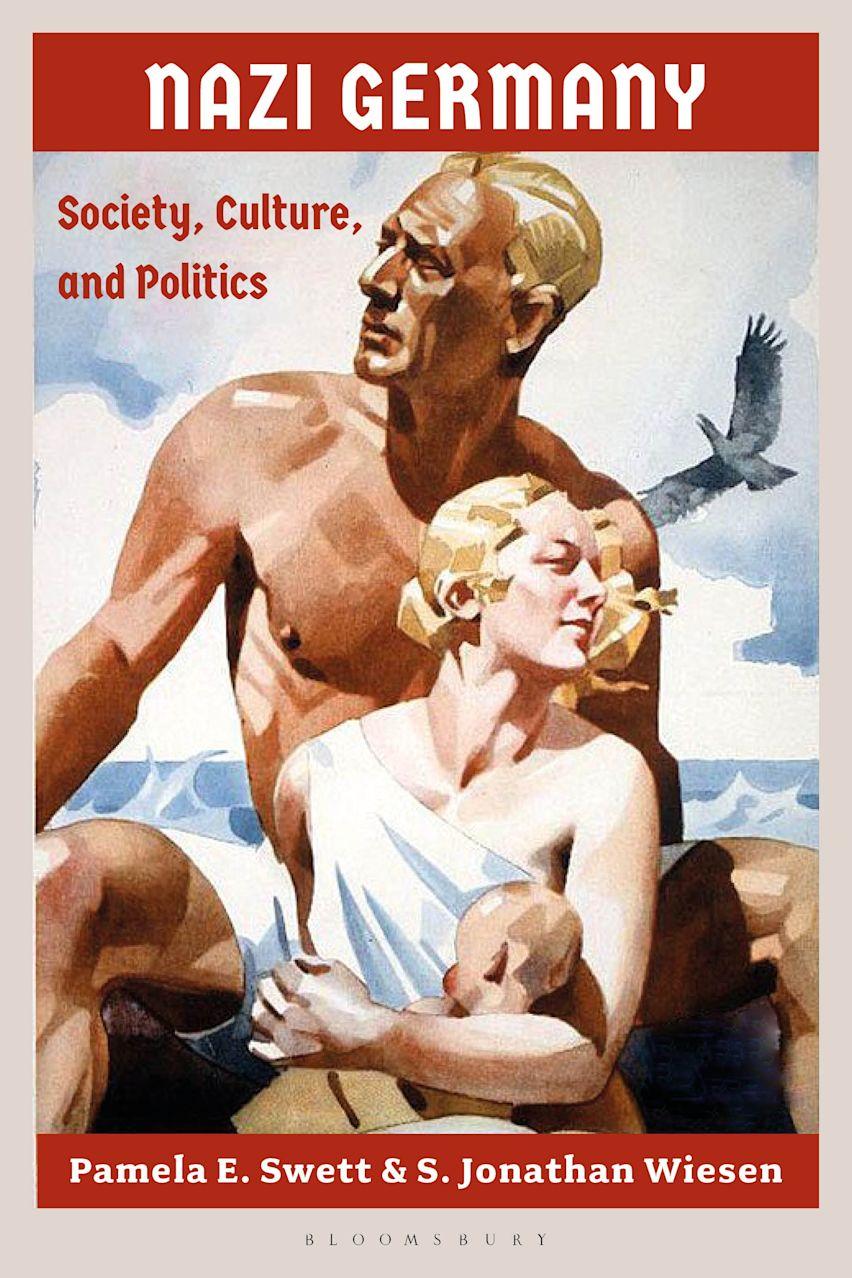
The young Hitler’s affinity for literature suggests an early desire to escape reality or possibly find models for his future ambitions. During adolescence, literature serves as a safe harbor for many, a way to experience vicariously the grandeur or adventure that the mundane world lacks. For Hitler, books may have been a retreat or a source of dangerous inspiration.
Fact or Fiction: The Power of Improvised Hypotheses
In the quest to piece together Hitler’s psyche, researchers often construct narratives based on sparse and ambiguous evidence. When faced with gaps in historical records, improvised hypotheses become a tool for them to construct a cohesive portrait of the past, despite the inherent risk of drifting into the realm of speculation.
Could Fiction Have Shaped the Fuhrer’s Ideology?
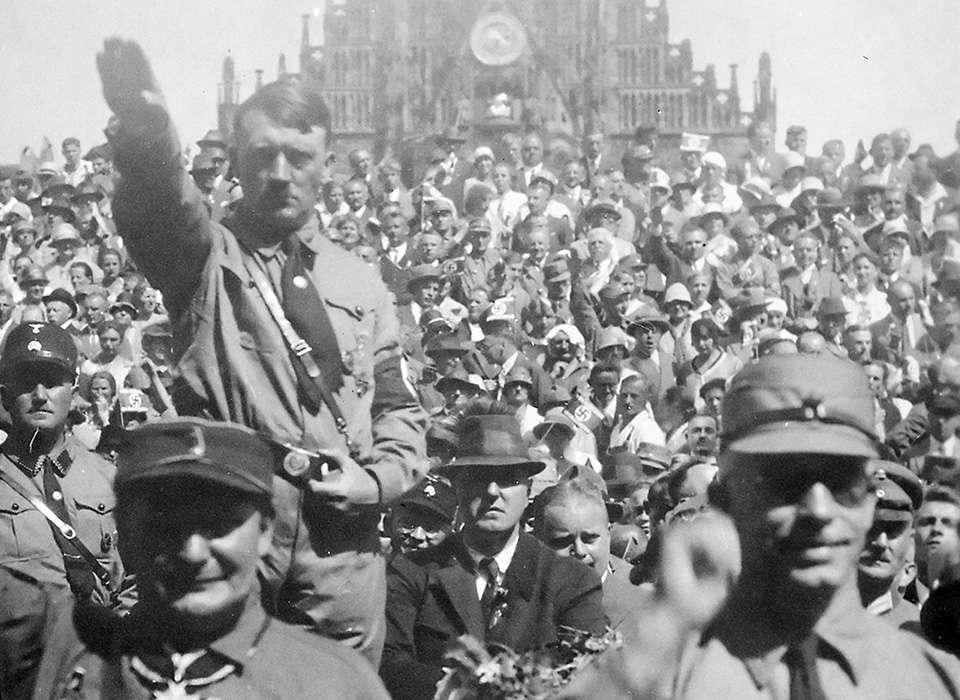
The discovery of Hitler's literary preferences challenges us to consider the impact that storytelling has on forming our worldviews. It begs the question: could the narratives and characters within the pages he so eagerly devoured have influenced his later ideologies and actions? This line of inquiry opens up a larger conversation about the power of media and the arts to shape society.
The Echoes of History in Modern-Day Hospitality
In a seemingly disparate turn of events, the notion of historical impact brings us to the world of hospitality. Modern hotels, as establishments hosting people from all walks of life, often carry with them the echoes of history. From themed accommodations to historical suites, today's hoteliers are not just selling a night's rest but an immersive experience that at times seeks to replicate or reflect upon the past. As we ponder over the influences that shaped influential figures like Hitler, we are reminded that understanding history is not about vilifying or glorifying it but recognizing its complexities and learning from them, a perspective that many cultural and historical hotels around the globe aim to embody.
San Francisco
- Economy Inn
- Hotel Zeppelin San Francisco
- The Clancy San Francisco
- Hyatt Centric Fisherman'S Wharf San Francisco
- The Jay Hotel San Francisco
- San Francisco Marriott Fisherman'S Wharf
- Hyatt Regency Soma
- Hotel Zelos
- Marriott Marquis San Francisco
- Soma House
- W San Francisco
- Hotel Del Sol San Francisco
- La Luna Inn San Francisco
- Signature Inn San Francisco Marina District
- Jw Marriott San Francisco
- Hotel Zephyr
- Galleria Park Hotel San Francisco
- Ritz Carlton San Francisco
- Four Seasons San Francisco
- St Regis San Francisco
- Places To Stay In San Francisco Ca